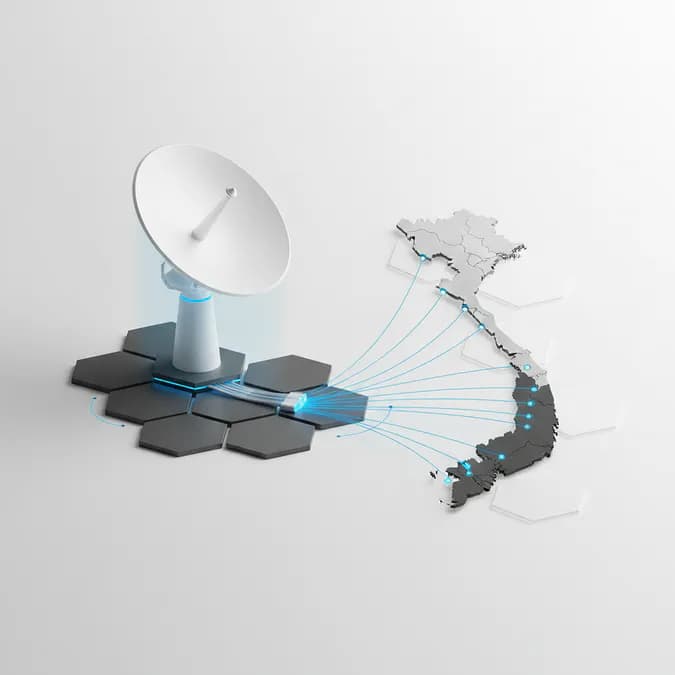
Vietnam has officially licensed Elon Musk's SpaceX to launch Starlink satellite internet services, marking a significant advancement in the country's telecommunications landscape. This approval allows for the deployment of up to 600,000 satellite internet devices in its first phase, a move that is expected to enhance connectivity, particularly in rural and underserved areas. With Starlink satellite internet, Vietnam is set to bridge the digital divide and improve access to essential services.
The Impact of Starlink Satellite Internet on Vietnam's Connectivity
The introduction of Starlink satellite internet in Vietnam is poised to revolutionize internet access, especially in remote areas where traditional broadband infrastructure is lacking. According to the
 "_blank" rel="noopener">VnExpress International, the government’s decision is part of a larger effort to bridge the digital divide in the country.
- Rural Connectivity: With approximately 70% of Vietnam's population living in rural areas, access to reliable internet has been a challenge. Starlink’s satellite technology can provide high-speed internet to these regions, enabling better access to education, healthcare, and economic opportunities.
- Economic Growth: Enhanced internet connectivity through Starlink satellite internet can stimulate economic growth by facilitating e-commerce, remote work, and digital services, which are increasingly vital in today's economy.
How Starlink Satellite Internet Works
Starlink operates through a constellation of low Earth orbit (LEO) satellites that communicate with ground stations and user terminals. This technology offers several advantages over traditional satellite internet:
- Low Latency: Starlink's LEO satellites provide lower latency compared to traditional geostationary satellites, making activities like video conferencing and online gaming more feasible.
- High Speed: Users can expect download speeds ranging from 50 Mbps to 150 Mbps, depending on the location and network conditions.
- Global Coverage: Starlink aims to provide internet access in areas where terrestrial networks are unavailable or unreliable.
Challenges and Considerations for Starlink Satellite Internet
While the approval of Starlink satellite internet is a positive development, several challenges remain:
- Infrastructure: The deployment of user terminals and ground stations will require significant investment and infrastructure development.
- Regulatory Compliance: SpaceX will need to navigate Vietnam's regulatory landscape to ensure compliance with local laws and standards.
- Competition: Starlink will face competition from existing telecom providers and other satellite internet services, which may impact its market penetration.
Conclusion: The Future of Starlink Satellite Internet in Vietnam
The approval of Starlink satellite internet in Vietnam represents a significant step forward in enhancing internet access across the nation. With the potential to connect up to 600,000 users in its initial phase, this initiative could play a crucial role in improving rural connectivity and driving economic growth. As Vietnam embraces this new technology, it sets a precedent for other countries looking to leverage satellite internet solutions to overcome connectivity challenges.
Key Takeaways
- Starlink satellite internet will enhance connectivity for up to 600,000 users in Vietnam.
- The initiative aims to bridge the digital divide, especially in rural areas.
- Starlink's technology offers advantages like low latency and high-speed internet.
FAQ about Starlink Satellite Internet
1. What is Starlink satellite internet?
Starlink satellite internet is a broadband service provided by SpaceX that uses a constellation of low Earth orbit satellites to deliver high-speed internet access globally.
2. How does Starlink improve internet access in Vietnam?
Starlink improves internet access in Vietnam by providing high-speed connectivity to rural and underserved areas where traditional internet infrastructure is lacking.
3. What are the expected speeds with Starlink satellite internet?
Users can expect download speeds ranging from 50 Mbps to 150 Mbps, depending on their location and network conditions.