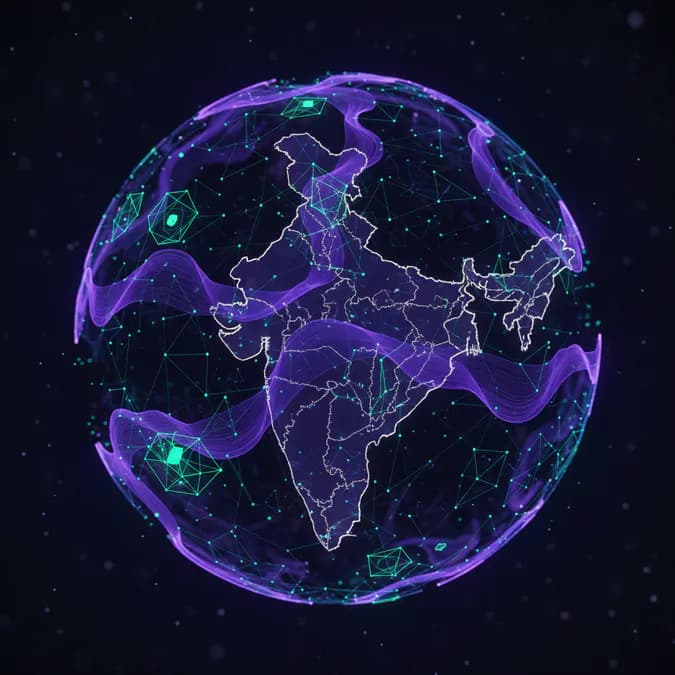
The anticipated launch of Starlink India has moved a significant step closer to reality. Recent state approval signals a green light for Elon Musk's satellite internet service to enter the world's second-largest internet market, a move that promises to reshape India's telecom landscape. This development is not just about adding another internet provider; it represents a potential paradigm shift in how connectivity is delivered, particularly to remote and underserved areas.
Starlink's Journey to India
Starlink's path to entering the Indian market has been marked by both anticipation and regulatory hurdles. Initial enthusiasm was tempered by concerns over licensing and compliance with local regulations. However, with the recent state approval, these obstacles appear to be clearing, paving the way for Starlink to begin offering its services to Indian consumers and businesses.
Understanding the Indian Telecom Market
India's telecom market is characterized by its sheer size and diversity. While major urban centers enjoy robust internet connectivity, vast swathes of rural India remain underserved. This digital divide presents both a challenge and an opportunity for Starlink India. The company's satellite-based internet service is uniquely positioned to bridge this gap by providing high-speed internet access to areas where traditional infrastructure is lacking.
Key Advantages of Starlink in India
Starlink's satellite-based technology offers several key advantages over traditional internet service providers in the Indian context:
- Coverage: Starlink can provide internet access to remote and rural areas that are difficult or expensive to reach with fiber optic cables or cellular towers.
- Speed: Starlink promises high-speed internet connectivity, potentially exceeding the speeds offered by existing providers in many areas.
- Reliability: Satellite internet is less susceptible to disruptions caused by natural disasters or infrastructure failures.
Potential Challenges and Considerations
Despite its advantages, Starlink faces several challenges in the Indian market:
- Cost: Starlink's service is currently more expensive than traditional internet plans, which could limit its adoption in price-sensitive markets.
- Regulatory Compliance: Starlink must continue to navigate India's complex regulatory environment and comply with all applicable laws and regulations.
- Competition: Starlink will face competition from existing internet service providers, as well as other satellite internet providers that may enter the market.
Impact on Rural Connectivity
One of the most significant potential impacts of Starlink India is its ability to improve rural connectivity. By providing high-speed internet access to underserved areas, Starlink can unlock new opportunities for education, healthcare, and economic development. This could have a transformative effect on the lives of millions of Indians living in rural communities.
Economic Opportunities
Improved internet connectivity can create new economic opportunities in rural areas. Farmers can access real-time market information, entrepreneurs can start online businesses, and individuals can pursue online education and training. This can lead to increased income, improved living standards, and greater economic empowerment.
Educational Advancements
Access to high-speed internet can also improve educational outcomes in rural areas. Students can access online learning resources, participate in virtual classrooms, and collaborate with peers from around the world. This can help to bridge the educational gap between urban and rural areas and provide students with the skills they need to succeed in the 21st century.
Healthcare Improvements
Telemedicine and remote healthcare services can also be delivered more effectively with improved internet connectivity. Doctors can consult with patients remotely, monitor their health conditions, and provide timely medical advice. This can improve access to healthcare in rural areas where there is a shortage of doctors and medical facilities.
The Future of Telecom in India
Starlink's entry into India is likely to accelerate the adoption of satellite internet technology and drive innovation in the telecom sector. This could lead to new business models, new services, and new opportunities for growth. The company's presence will likely spur existing providers to improve their services and expand their coverage, ultimately benefiting consumers across the country.
Competition and Innovation
As Starlink establishes its presence in India, it is likely to face increasing competition from both traditional and satellite internet providers. This competition will drive innovation and lead to better services and lower prices for consumers. It will also create new opportunities for collaboration and partnerships between different players in the telecom ecosystem.
Regulatory Landscape
The regulatory landscape for satellite internet services in India is still evolving. The government is working to create a framework that promotes competition and innovation while ensuring that all providers comply with applicable laws and regulations. This framework will play a crucial role in shaping the future of the satellite internet market in India.
Key Takeaways
- Starlink's anticipated launch in India is a significant development that could reshape the country's telecom landscape.
- The company's satellite-based internet service offers several key advantages over traditional providers, particularly in terms of coverage and reliability.
- Starlink's entry into India could have a transformative effect on rural connectivity, unlocking new opportunities for education, healthcare, and economic development.
- The company faces several challenges in the Indian market, including cost, regulatory compliance, and competition.
- The future of telecom in India is likely to be shaped by the increasing adoption of satellite internet technology and the ongoing evolution of the regulatory landscape.
The Bottom Line
Starlink's impending arrival in India marks a pivotal moment for the nation's telecom sector. While challenges remain, the potential benefits of improved connectivity, particularly in rural areas, are immense. As Starlink navigates the regulatory landscape and addresses affordability concerns, its impact on India's digital future will be closely watched.
FAQ
What is Starlink India?
Starlink India refers to the launch of Elon Musk's satellite internet service in India, aimed at providing high-speed internet access across the country.
How will Starlink impact rural areas in India?
Starlink is expected to improve internet connectivity in rural areas, unlocking opportunities for education, healthcare, and economic development.
What challenges does Starlink face in India?
Starlink faces challenges such as high service costs, regulatory compliance, and competition from existing internet service providers.
Is Starlink's service reliable?
Yes, Starlink's satellite-based technology is designed to provide reliable internet service, even in areas prone to natural disasters.
When will Starlink launch in India?
The exact launch date is yet to be announced, but recent approvals indicate that it is imminent.
Table of Contents
- Starlink's Journey to India
- Understanding the Indian Telecom Market
- Key Advantages of Starlink in India
- Potential Challenges and Considerations
- Impact on Rural Connectivity
- Economic Opportunities
- Educational Advancements
- Healthcare Improvements
- The Future of Telecom in India
- Competition and Innovation
- Regulatory Landscape
- Key Takeaways
- The Bottom Line
- FAQ