Technology Overview
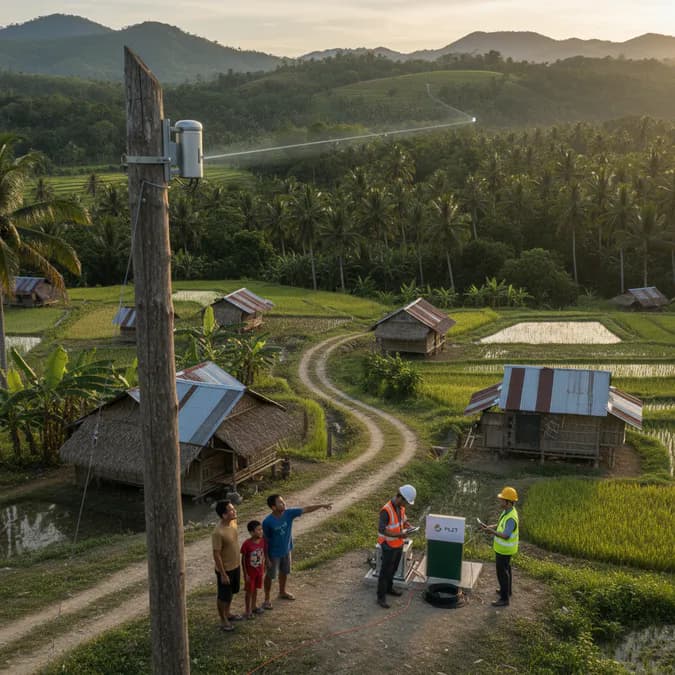
In a significant advancement for rural connectivity, air laser technology is being deployed by PLDT in partnership with Google in Barangay Subay on Talim Island, Cardona, Rizal. This innovative initiative aims to provide residents with faster and more reliable internet access, marking a crucial step towards bridging the digital divide in remote areas. The deploy

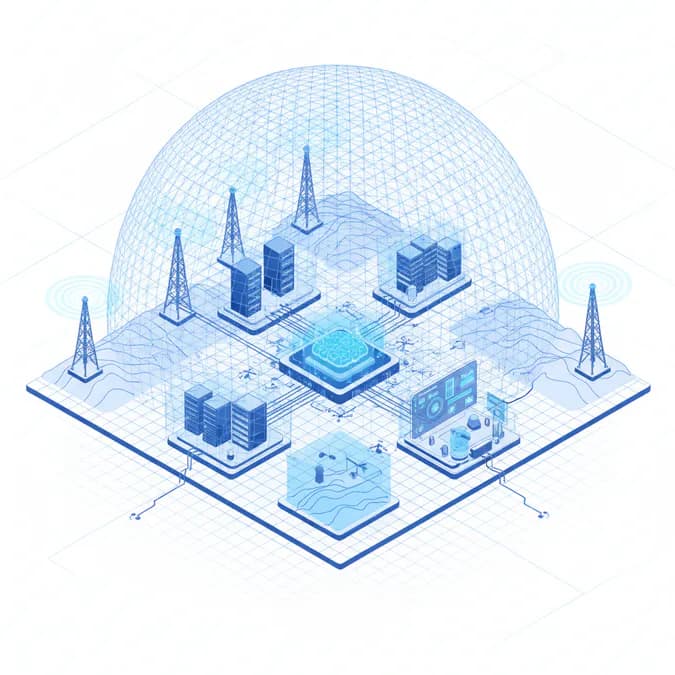
The Taara air laser technology developed by Google is a groundbreaking solution designed to enhance internet connectivity. This technology utilizes light beams to transmit data wirelessly over short distances, providing high-speed internet access without the need for extensive infrastructure. According to PLDT, this deployment is part of their broader strategy to improve digital connectivity across the Philippines, particularly in underserved regions. The air laser technology is capable of delivering speeds comparable to fiber optics, making it an ideal solution for remote barangays like Subay.
Impact on Local Communities
The introduction of the Taara technology in Barangay Subay has already begun to transform the daily lives of its residents. With faster internet access, locals can engage more effectively in online education, telehealth services, and e-commerce, which are essential for economic growth and community development. The impact of air laser technology on local communities is profound and multifaceted:
- Enhanced educational opportunities through online learning platforms.
- Improved access to healthcare services via telemedicine.
- Boosted local businesses with e-commerce capabilities.
Residents have reported a noticeable improvement in their internet experience, allowing them to connect with family and friends, access information, and participate in the digital economy. This deployment is a vital step in ensuring that no community is left behind in the digital age.
Future Implications of Air Laser Technology
The successful implementation of air laser technology in Barangay Subay could pave the way for similar projects across other remote areas in the Philippines and beyond. As PLDT continues to explore innovative solutions for connectivity, the potential for expanding this technology to additional barangays is promising. The implications of air laser technology extend beyond immediate connectivity; they align with global efforts to achieve universal internet access, as highlighted by the United Nations' Sustainable Development Goals. By leveraging advanced technologies like Taara, telecom companies can play a crucial role in fostering inclusive growth and development.
Key Takeaways
The deployment of Google’s Taara air laser technology by PLDT represents a significant leap forward in addressing the connectivity challenges faced by rural communities. As more regions benefit from such innovations, the digital landscape in the Philippines is set to become more equitable and accessible. The air laser technology not only enhances internet speeds but also empowers communities, ensuring that they can thrive in the digital age.
Frequently Asked Questions (FAQ)
1. What is air laser technology?
Air laser technology, specifically the Taara system developed by Google, uses light beams to transmit data wirelessly over short distances, providing high-speed internet access without the need for extensive infrastructure.
2. How does air laser technology improve internet connectivity?
This technology enhances internet connectivity by offering speeds comparable to fiber optics, making it ideal for remote areas where traditional methods are challenging to implement.
3. What are the benefits of PLDT and Google’s partnership?
The partnership aims to improve digital connectivity in underserved regions, allowing residents to access online education, telehealth services, and e-commerce, thereby fostering economic growth.
Conclusion
In conclusion, the deployment of Google’s Taara air laser technology by PLDT represents a significant leap forward in addressing the connectivity challenges faced by rural communities. As more regions benefit from such innovations, the digital landscape in the Philippines is set to become more equitable and accessible. The future of air laser technology looks promising, with the potential to connect even more remote areas, ensuring that everyone has access to the digital world.