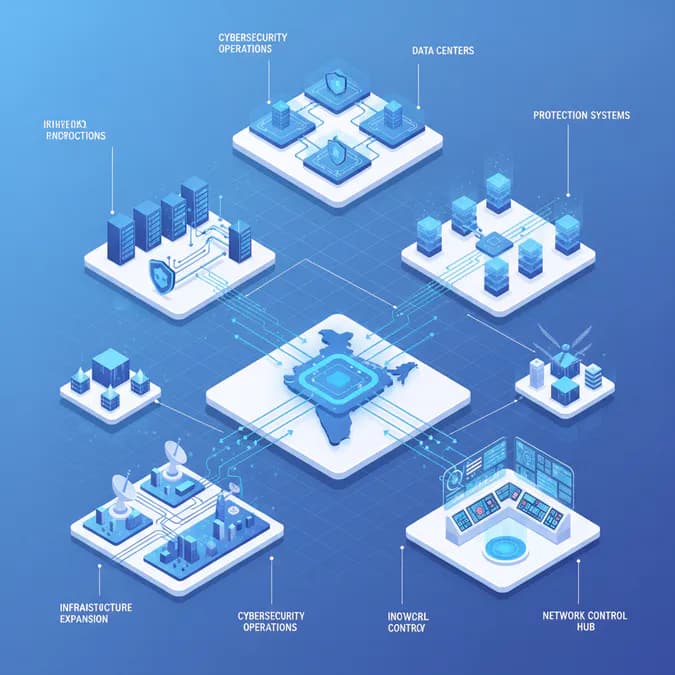
The Indian telecom sector witnessed significant developments in the first half of July 2018, marking a period of growth and innovation. A key highlight was the launch of internet services by a leading mobile operator, which played a crucial role in transforming the telecom landscape. This article delves into these developments, exploring their implications for the telecom landscape in India, particularly focusing on the internet launch.
Infrastructure Expansion
One of the notable aspects of this period was the expansion of infrastructure industries. According to reports from early July 2018, these industries experienced a growth of 2.9%. This expansion is crucial for supporting the increasing demand for telecom services and ensuring reliable connectivity across the country. Investment in infrastructure is essential for improving network coverage, enhancing data speeds, and facilitating the deployment of new technologies.
Factors Driving Infrastructure Growth
Several factors contributed to the growth of infrastructure industries during this period:
- Government Initiatives: The Indian government has been actively promoting infrastructure development through various policies and initiatives. These include investments in road, rail, and telecom infrastructure, aimed at boosting economic growth and improving connectivity.
- Private Sector Investment: Private sector companies have also played a significant role in driving infrastructure growth. Telecom operators, in particular, have been investing heavily in expanding their networks and upgrading their infrastructure to meet the growing demand for data services.
- Technological Advancements: The adoption of new technologies, such as fiber optics and advanced wireless systems, has also contributed to infrastructure expansion. These technologies enable faster data speeds and more reliable connectivity, driving demand for infrastructure upgrades.
Impact on the Telecom Sector
The expansion of infrastructure industries has had a positive impact on the telecom sector in several ways:
- Improved Network Coverage: Infrastructure development has helped to improve network coverage, particularly in rural and remote areas. This has enabled more people to access telecom services, contributing to digital inclusion.
- Enhanced Data Speeds: Upgrades to infrastructure have resulted in faster data speeds, allowing users to enjoy a better online experience. This is particularly important for bandwidth-intensive applications such as video streaming and online gaming.
- Increased Capacity: Infrastructure expansion has increased the capacity of telecom networks, enabling them to handle the growing volume of data traffic. This is essential for ensuring that networks can continue to meet the demands of users.
First Mobile Operator to Launch Internet Services
Another significant development during this period was the launch of internet services by a leading mobile operator. This marked a major milestone for the Indian telecom sector, as it demonstrated the growing importance of internet access for mobile users. The launch of internet services has enabled more people to connect to the internet, access online information, and participate in the digital economy.
Benefits of Internet Access
Internet access offers a wide range of benefits for individuals and businesses:
- Access to Information: The internet provides access to a vast amount of information, enabling users to learn about new topics, research different subjects, and stay informed about current events.
- Communication and Collaboration: The internet facilitates communication and collaboration through email, social media, and online conferencing tools. This enables people to connect with friends, family, and colleagues, regardless of their location.
- Economic Opportunities: The internet provides access to a wide range of economic opportunities, including online shopping, e-commerce, and remote work. This enables people to earn income, start businesses, and participate in the global economy.
Challenges and Opportunities
While the launch of internet services by a mobile operator is a positive development, there are also several challenges and opportunities that need to be addressed:
- Affordability: Internet access needs to be affordable for all segments of the population, particularly those in low-income communities. This requires innovative pricing models and government subsidies to ensure that everyone can afford to connect to the internet.
- Digital Literacy: Many people lack the digital skills needed to effectively use the internet. This requires digital literacy programs and training initiatives to help people learn how to use the internet safely and effectively.
- Cybersecurity: As more people connect to the internet, cybersecurity becomes increasingly important. This requires measures to protect users from online threats such as malware, phishing, and identity theft.
The Bottom Line
The developments in the Indian telecom sector during the first half of July 2018 highlight the importance of infrastructure investment and internet access for driving economic growth and improving connectivity. While challenges remain, the opportunities for further growth and development are significant. By addressing these challenges and capitalizing on these opportunities, India can continue to strengthen its telecom sector and ensure that all citizens have access to the benefits of digital technology.
Key Takeaways
- The launch of internet services by a leading mobile operator marked a significant milestone in India's telecom sector.
- Infrastructure expansion is crucial for meeting the growing demand for internet services.
- Government initiatives and private sector investments are key drivers of infrastructure growth.
- Internet access provides numerous benefits, including improved communication, access to information, and economic opportunities.
- Addressing challenges such as affordability, digital literacy, and cybersecurity is essential for maximizing the benefits of internet access.
FAQ
What was the significance of the internet launch in India?
The internet launch by a leading mobile operator in India marked a crucial step towards enhancing digital connectivity and access for millions of users.
How has infrastructure expansion impacted the telecom sector?
Infrastructure expansion has improved network coverage, enhanced data speeds, and increased the capacity of telecom networks, enabling better service delivery.
What challenges does India face regarding internet access?
Challenges include affordability, digital literacy, and cybersecurity, which need to be addressed to ensure equitable access to internet services.
Additional Resources
For further reading, you can explore the following authoritative sources: