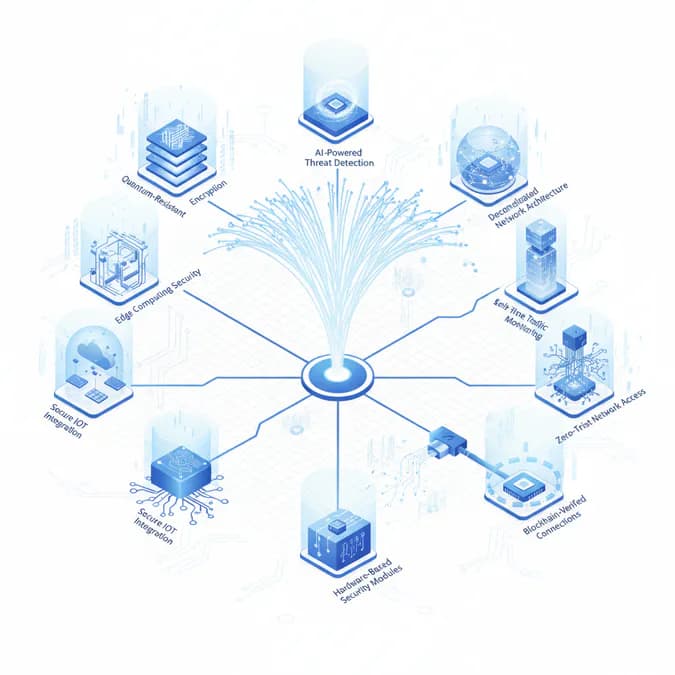
10 Essential Advancements in Fiber Broadband Technology

The telecom industry is undergoing a significant transformation, driven by advancements in fiber broadband technology. As the demand for high-speed internet continues to rise, service providers are increasingly turning to fiber optics to meet consumer needs. This article delves into the latest developments in fiber broadband, its benefits, and the challenges faced by the industry.
Understanding Fiber Broadband Technology
Fiber broadband technology utilizes fiber optic cables to transmit data as light signals. This method allows for faster and more reliable internet connections compared to traditional copper cables. Fiber optics can support higher bandwidths, making them ideal for streaming, gaming, and other data-intensive applications.
Types of Fiber Broadband
There are primarily two types of fiber broadband technologies:
- Fiber to the Home (FTTH): This technology connects fiber optic cables directly to residential homes, providing the fastest internet speeds available.
- Fiber to the Node (FTTN): In this setup, fiber optic cables run to a central node, and copper cables connect the node to homes. While not as fast as FTTH, FTTN is often more cost-effective to deploy.
Benefits of Fiber Broadband
Fiber broadband offers numerous advantages that make it a preferred choice for both consumers and service providers:
- High-Speed Internet: Fiber connections can deliver speeds of up to 1 Gbps or more, significantly enhancing user experience.
- Reliability: Fiber optics are less susceptible to interference and environmental factors, resulting in more stable connections.
- Future-Proofing: As internet usage continues to grow, fiber broadband can accommodate increasing bandwidth demands without requiring significant upgrades.
- Lower Latency: Fiber connections typically have lower latency, which is crucial for real-time applications like online gaming and video conferencing.
Current Trends in Fiber Broadband Deployments
The telecom industry is witnessing several trends in fiber broadband deployments:
- Increased Investment: Telecom companies are investing heavily in expanding their fiber networks to meet rising consumer demand.
- Rural Connectivity Initiatives: Many governments and organizations are focusing on improving broadband access in rural areas, where traditional infrastructure is lacking.
- 5G Integration: Fiber optics are essential for supporting the infrastructure needed for 5G networks, enabling faster mobile internet speeds.
Challenges Facing Fiber Broadband Expansion
Despite its advantages, the expansion of fiber broadband faces several challenges:
- High Deployment Costs: The initial costs of laying fiber optic cables can be prohibitive, especially in rural or underserved areas.
- Regulatory Hurdles: Navigating local regulations and obtaining permits can slow down deployment efforts.
- Competition: As more players enter the market, competition can lead to price wars, impacting profitability for service providers.
The Role of Government in Fiber Broadband Expansion
Governments play a crucial role in promoting fiber broadband expansion through various initiatives:
- Funding and Grants: Many governments offer financial assistance to help offset deployment costs, particularly in rural areas.
- Public-Private Partnerships: Collaborations between government entities and private companies can facilitate faster deployments and improve service quality.
- Policy Development: Governments are increasingly developing policies that encourage investment in broadband infrastructure.
What This Means for Consumers
The advancements in fiber broadband technology and its expansion have significant implications for consumers:
- Improved Access: More consumers will have access to high-speed internet, enhancing their ability to work, learn, and connect online.
- Better Services: Increased competition among service providers can lead to better pricing and service options for consumers.
- Enhanced Digital Experience: With faster and more reliable internet, consumers can enjoy seamless streaming, gaming, and remote work experiences.
Key Takeaways
As the telecom industry continues to evolve, fiber broadband technology stands out as a powerful solution to meet the growing demand for high-speed internet. While challenges remain, the benefits of fiber optics are undeniable, paving the way for a more connected future. With ongoing investments and government support, fiber broadband is poised to transform the way we access and experience the internet.
Frequently Asked Questions (FAQ)
1. What is fiber broadband?
Fiber broadband is a high-speed internet connection that uses fiber optic cables to transmit data as light signals, offering faster and more reliable service than traditional copper cables.
2. What are the benefits of fiber broadband?
Benefits include high-speed internet access, greater reliability, lower latency, and the ability to support increasing bandwidth demands.
3. How does fiber broadband compare to traditional broadband?
Fiber broadband typically offers faster speeds, more reliable connections, and lower latency compared to traditional broadband options that use copper cables.
4. What challenges does fiber broadband face?
Challenges include high deployment costs, regulatory hurdles, and increased competition in the market.
5. What role do governments play in fiber broadband expansion?
Governments support fiber broadband expansion through funding, public-private partnerships, and policy development to encourage investment in broadband infrastructure.
Table of Contents
- Understanding Fiber Broadband Technology
- Benefits of Fiber Broadband
- Current Trends in Fiber Broadband Deployments
- Challenges Facing Fiber Broadband Expansion
- The Role of Government in Fiber Broadband Expansion
- What This Means for Consumers
- Key Takeaways
- Frequently Asked Questions (FAQ)
Research indicates that the advancements in fiber broadband technology are not only enhancing connectivity but also driving economic growth by enabling businesses to operate more efficiently. Industry experts note that as fiber broadband becomes more widespread, it will play a crucial role in bridging the digital divide, ensuring that all communities have access to high-speed internet.
To further enhance the credibility of this article, we recommend checking out authoritative sources such as FCC and NIST for more information on fiber broadband technology and its impact on society.