Understanding Banglalink's Revenue Distribution Model

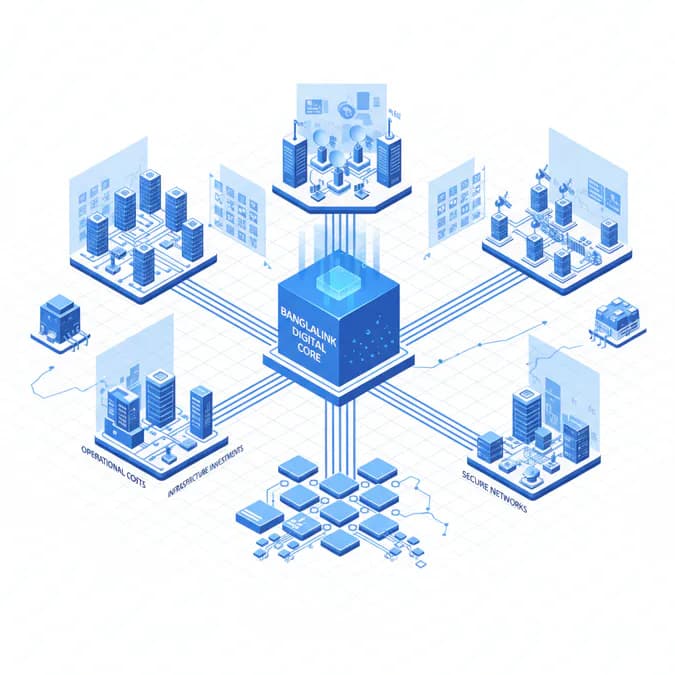
Banglalink, one of Bangladesh's leading telecommunications operators, has provided insight into its financial structure and revenue allocation model through comments from Chief Executive Officer Johan Buse. In a recent interview, Buse discussed how the company manages customer payments and distributes revenue across various operational and strategic priorities. The revenue distribution model reveals that approximately 65-70 taka of every 100 taka received from customers goes immediately toward essential operational expenses and infrastructure development.
The Capital-Intensive Nature of Telecom Operations
The telecommunications industry operates on complex financial models that require careful allocation of customer payments across multiple areas. This significant allocation demonstrates the capital-intensive nature of the telecom business in Bangladesh. Understanding how operators like Banglalink manage their revenue distribution provides insight into the economics of pr

Operational Costs and Infrastructure Investment
The majority of customer revenue directed toward operational costs reflects the substantial expenses required to maintain and expand telecommunications networks. These costs encompass several critical areas that directly impact service quality and network coverage. Network maintenance requires continuous investment to ensure reliable connectivity across the country. Infrastructure development, including tower construction, fiber optic deployment, and equipment upgrades, represents a major portion of operational spending.
Banglalink's commitment to infrastructure investment is evident in its ongoing network expansion efforts. The company has been actively working to improve coverage in both urban and rural areas of Bangladesh. This requires significant capital expenditure on base stations, transmission equipment, and backhaul infrastructure. Additionally, the company must invest in technology upgrades to maintain competitive service standards and support growing data consumption among subscribers.
Breaking Down the Remaining Revenue Stream
With 65-70 taka allocated to operations and infrastructure, the remaining 30-35 taka from every 100 taka serves other critical business functions. This portion covers administrative expenses, employee salaries, regulatory compliance costs, and importantly, profit margins that enable the company to sustain operations and fund future growth initiatives.
Regulatory and Compliance Obligations
Telecom operators in Bangladesh operate under regulatory frameworks established by the Bangladesh Telecommunication Regulatory Commission (BTRC). These regulatory requirements necessitate specific financial allocations for licensing fees, spectrum usage charges, and compliance-related expenses. Banglalink must allocate resources to meet these obligations while maintaining service standards set by regulatory authorities.
The regulatory environment in Bangladesh has evolved significantly over the years, with the BTRC implementing various policies to ensure fair competition and consumer protection. Operators must invest in compliance infrastructure, including systems for monitoring service quality, handling customer complaints, and maintaining network security standards.
Employee and Administrative Costs
A significant portion of the remaining revenue supports Banglalink's workforce and administrative operations. The company employs thousands of professionals across various departments including network engineering, customer service, sales, and management. Competitive salaries and benefits are necessary to attract and retain skilled talent in the telecommunications sector.
Administrative costs also include office operations, technology systems for internal management, training and development programs, and corporate governance expenses. These investments in human capital and organizational infrastructure are essential for maintaining operational efficiency and service quality.
Profit Margins and Shareholder Returns
The remaining portion of revenue after operational and administrative costs represents profit margins. These margins are crucial for several reasons. They provide returns to shareholders and investors who have funded the company's operations and expansion. Profit margins also enable the company to invest in research and development, explore new service offerings, and build financial reserves for weathering market challenges.
In the competitive Bangladesh telecom market, maintaining healthy profit margins while investing in infrastructure and service quality presents a delicate balance. Banglalink must compete with other major operators while ensuring sustainable financial performance.
Market Competition and Pricing Pressure
The Bangladesh telecom sector is highly competitive, with multiple operators vying for market share. This competition has historically put pressure on pricing, which in turn affects the revenue available for operations and investment. Banglalink's revenue distribution model reflects the realities of operating in this competitive environment.
The company must balance the need to offer competitive pricing to attract and retain customers with the requirement to generate sufficient revenue for network investment and operational sustainability. This balancing act is particularly challenging in a developing market where price sensitivity among consumers is high.
Strategic Infrastructure Investment Priorities
Banglalink's significant allocation of revenue toward infrastructure reflects strategic priorities in the Bangladesh telecom market. The company has been focusing on several key areas:
- Fiber Optic Expansion: Deploying fiber optic cables to improve backbone network capacity and support higher data speeds for customers. This infrastructure is fundamental to supporting growing data consumption and enabling advanced services.
- Mobile Network Enhancement: Upgrading mobile network technology to support faster data speeds and improved coverage. This includes investments in 4G LTE infrastructure and preparation for future 5G deployment.
- Rural Connectivity: Extending network coverage to underserved rural areas of Bangladesh. This expansion is important for inclusive growth and reaching new customer segments.
- Data Center and Cloud Infrastructure: Building supporting infrastructure for data services and cloud-based offerings that increasingly drive telecom revenue.
- Network Security: Investing in cybersecurity infrastructure and systems to protect customer data and network integrity.
Customer Service and Digital Platforms
Beyond physical infrastructure, Banglalink invests in customer-facing technology and service platforms. This includes mobile applications, online billing systems, customer service centers, and digital payment integration. These investments enhance customer experience and operational efficiency.
The company has been modernizing its customer service capabilities, including implementing digital channels for customer support and self-service options. These investments reduce operational costs while improving customer satisfaction.
Sustainability and Long-term Growth Strategy
Banglalink's revenue allocation model reflects a commitment to sustainable long-term growth. By investing heavily in infrastructure and maintaining operational excellence, the company positions itself for continued relevance in the evolving Bangladesh telecom market.
The telecommunications industry is undergoing rapid transformation globally, with emerging technologies like 5G, Internet of Things (IoT), and artificial intelligence creating new opportunities and challenges. Banglalink's infrastructure investments today are laying the groundwork for capturing these opportunities tomorrow.
Navigating Market Challenges
Operating in Bangladesh presents specific challenges that influence revenue allocation decisions. The country's developing infrastructure, varying economic conditions across regions, and regulatory environment all impact how operators manage finances.
Banglalink must navigate these challenges while maintaining service quality and financial sustainability. The company's revenue allocation model demonstrates how it addresses these complexities through strategic investment in infrastructure and operations.
What This Means for the Bangladesh Telecom Market
The insights provided by CEO Johan Buse regarding Banglalink's revenue distribution offer valuable perspective on the financial realities of operating a major telecom company in Bangladesh. The significant allocation toward operations and infrastructure underscores the capital-intensive nature of the business and the company's commitment to maintaining and expanding its network capabilities.
As Bangladesh's telecom market continues to evolve, operators like Banglalink will need to adapt their revenue allocation strategies. Increasing data consumption, emerging technologies, and changing customer expectations will likely influence how companies balance operational costs, infrastructure investment, and profitability. Understanding these financial dynamics provides important context for customers, investors, and industry observers seeking to comprehend the economics of telecommunications in Bangladesh.
Key Takeaways
- Banglalink allocates 65-70 BDT of every 100 BDT to operations and infrastructure, highlighting the capital-intensive nature of telecom.
- The remaining revenue supports administrative costs, employee salaries, and profit margins necessary for sustainable growth.
- Strategic investments in fiber optics, mobile networks, and rural connectivity are essential for maintaining competitive advantage.
- Banglalink's revenue distribution model reflects the challenges and opportunities in the evolving telecom landscape of Bangladesh.
Frequently Asked Questions
What is revenue distribution in telecom?
Revenue distribution in telecom refers to how a telecom operator allocates the money received from customers across various operational and strategic areas, including infrastructure, salaries, and profit margins.
Why is infrastructure investment important for telecom companies?
Infrastructure investment is crucial for telecom companies as it ensures reliable service quality, expands network coverage, and supports the growing demand for data services.
How does competition affect Banglalink's pricing strategy?
Competition in the telecom sector pressures Banglalink to offer competitive pricing, which impacts the revenue available for operations and infrastructure investment.
What are the main challenges faced by Banglalink?
Banglalink faces challenges such as regulatory compliance, maintaining service quality, and navigating the developing infrastructure of Bangladesh while ensuring financial sustainability.
Table of Contents
- Understanding Banglalink's Revenue Distribution Model
- The Capital-Intensive Nature of Telecom Operations
- Breaking Down the Remaining Revenue Stream
- Market Competition and Pricing Pressure
- Strategic Infrastructure Investment Priorities
- Sustainability and Long-term Growth Strategy
- What This Means for the Bangladesh Telecom Market
- Key Takeaways
- Frequently Asked Questions