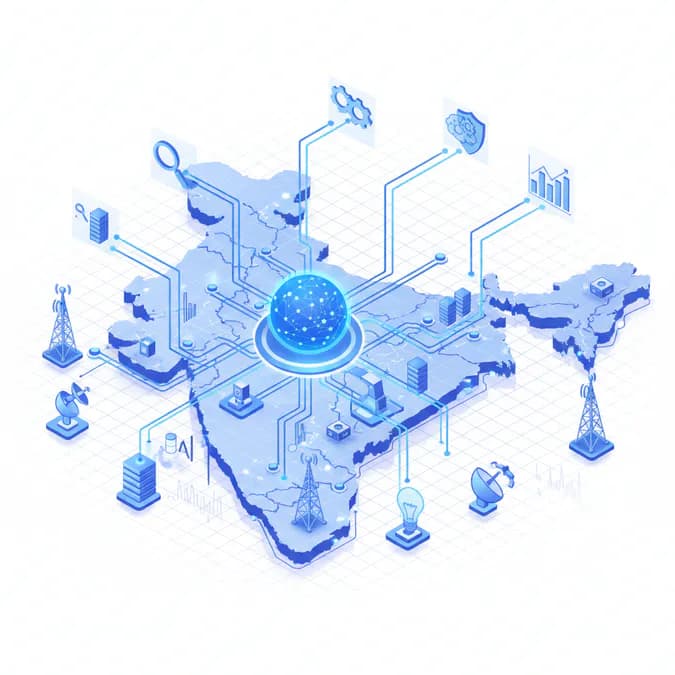
AI in Telecom: An Overview
During the summit, industry leaders highlighted that telecom networks form the backbone of India's aspirations in AI and digital transformation. With the increasing complexity of networks and the surge in data traffic, AI technologies are essential for managing operations effectively. AI can assist in predictive maintenance, network optimization, and enhancing customer experiences. The integration of AI in telecom is not just a trend; it is a fundamental shift that is reshaping how services are delivered and managed.
Benefits of AI in Telecom
AI offers numerous benefits to the telecom industry, including:
- Improved Network Efficiency: AI algorithms can analyze vast amounts of data in real-time, allowing telecom operators to optimize network performance and reduce downtime.
- Enhanced Customer Service: AI-driven chatbots and virtual assistants can provide 24/7 customer support, resolving issues faster and improving customer satisfaction.
- Cost Reduction: Automation of routine tasks through AI can significantly lower operational costs, enabling telecom companies to allocate resources more effectively.
- Data-Driven Insights: AI can provide actionable insights from customer data, helping telecom companies tailor their services to meet user needs better.
The Future of Telecom with AI
As the telecom industry continues to evolve, the role of AI is expected to expand. According to a report by McKinsey & Company, AI could potentially generate up to $1 trillion in value for telecom operators by 2030. This growth will be driven by innovations in AI applications such as:
- Network Automation: Automating network management tasks to enhance reliability and reduce human error.
- Predictive Analytics: Using AI to predict network failures before they occur, thereby minimizing service interruptions.
- Personalized Services: Leveraging AI to offer customized plans and services based on individual user behavior and preferences.
Furthermore, the Indian government’s push for digitalization and smart city initiatives will further necessitate the integration of AI in telecom networks, ensuring they can support the growing demand for connectivity. The future of AI in telecom is not just about efficiency; it is about creating a more responsive and customer-centric industry.
Expert Insights on AI in Telecom
As noted by industry expert Dr. Ramesh Kumar, "The adoption of AI in telecom is not merely an option; it is a necessity for staying competitive in a rapidly evolving market." This sentiment is echoed by many leaders in the field, emphasizing the critical role AI plays in shaping the future of telecommunications.
Conclusion
The insights shared at the India AI Impact Summit 2026 underscore the critical importance of AI in the telecom sector. As the industry faces increasing demands and challenges, embracing AI technologies will not only enhance operational efficiency but also pave the way for innovative services that cater to the evolving needs of consumers. The future of India's telecom networks is undoubtedly intertwined with the advancements in AI, marking a significant step towards a more connected and intelligent digital landscape.
Key Takeaways
- AI in telecom is essential for managing complex networks and increasing data traffic.
- Benefits include improved efficiency, enhanced customer service, and cost reduction.
- The future of telecom will see AI driving automation, predictive analytics, and personalized services.
FAQ
What is the role of AI in telecom?
AI plays a crucial role in optimizing network performance, enhancing customer service, and providing data-driven insights in the telecom industry.
How can AI improve customer service in telecom?
AI can improve customer service through chatbots and virtual assistants that provide 24/7 support, resolving issues quickly and efficiently.
What are the future trends of AI in telecom?
Future trends include increased automation of network management, predictive analytics for service reliability, and personalized service offerings based on user behavior.