Key Takeaways

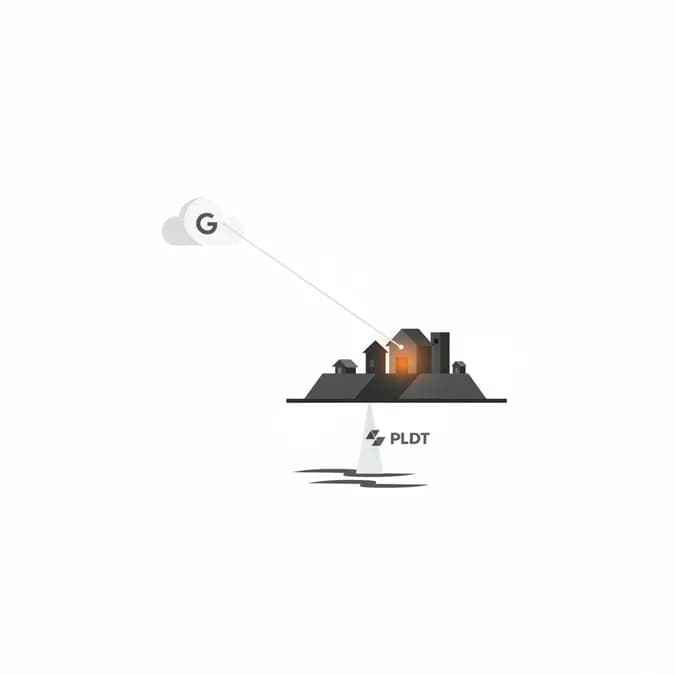
- Google and PLDT have launched air laser internet technology in Talim Island, providing fiber-like speeds.
- This initiative aims to improve connectivity in underserved regions of the Philippines.
- Enhanced internet access will facilitate education, healthcare, and economic growth for local communities.
Technology Overview of Air Laser Internet
The air laser internet technology, developed by Google, ut

The air laser internet technology represents a significant leap forward in how we think about internet connectivity, particularly in rural and underserved areas. By harnessing the power of laser communication, this technology can transmit data over long distances with minimal loss, ensuring that even the most remote locations can enjoy high-speed internet access.
Deployment Details of Air Laser Internet
The deployment in Talim Island is part of a broader initiative by Google and PLDT to improve internet access in underserved regions of the Philippines. Talim Island, known for its picturesque landscapes, has faced challenges in connectivity due to its geographical location. The air laser technology was strategically chosen to overcome these obstacles, allowing for a more efficient and effective internet solution.
PLDT has been at the forefront of expanding digital infrastructure in the Philippines. With this deployment, they aim to reach more barangays that have historically struggled with poor internet access. The partnership with Google leverages both companies' strengths to deliver innovative solutions that cater to the unique needs of rural communities.
In a recent statement, a PLDT spokesperson emphasized, "This collaboration with Google is pivotal in bridging the digital divide in the Philippines, particularly in remote areas like Talim Island. We are committed to ensuring that everyone has access to the internet, which is essential for modern living."
Impact of Air Laser Internet on Local Community
The introduction of air laser internet is expected to have a transformative impact on the local community in Talim Island. Enhanced connectivity will facilitate better access to educational resources, healthcare information, and economic opportunities. Residents will be able to engage in online learning, telemedicine, and e-commerce, which can significantly improve their quality of life.
- Education: Students can access online learning platforms, bridging the educational gap.
- Healthcare: Telemedicine services can provide vital health consultations remotely.
- Economic Growth: Local businesses can expand their reach through e-commerce.
As a result of this deployment, the residents of Talim Island are poised to benefit from a more connected and informed community. This initiative not only enhances the digital landscape but also aligns with the Philippines' goal of achieving universal internet access. The potential for growth in various sectors, fueled by improved internet connectivity, is immense.
In conclusion, the collaboration between Google and PLDT in deploying air laser internet technology in Talim Island represents a significant milestone in improving rural connectivity. By harnessing innovative technology, they are paving the way for a more inclusive digital future for remote communities in the Philippines.
Frequently Asked Questions about Air Laser Internet
1. What is air laser internet?
Air laser internet is a technology that uses laser communication systems to provide high-speed internet connectivity without the need for extensive physical infrastructure.
2. How does air laser internet compare to traditional broadband?
Air laser internet can achieve speeds comparable to fixed-line broadband while being more adaptable to remote locations where traditional infrastructure is challenging.
3. What are the benefits of air laser internet for local communities?
The benefits include improved access to education, healthcare, and economic opportunities, which can significantly enhance the quality of life for residents.
Sources
- Technobaboy - A comprehensive overview of the air laser internet initiative by Google and PLDT.